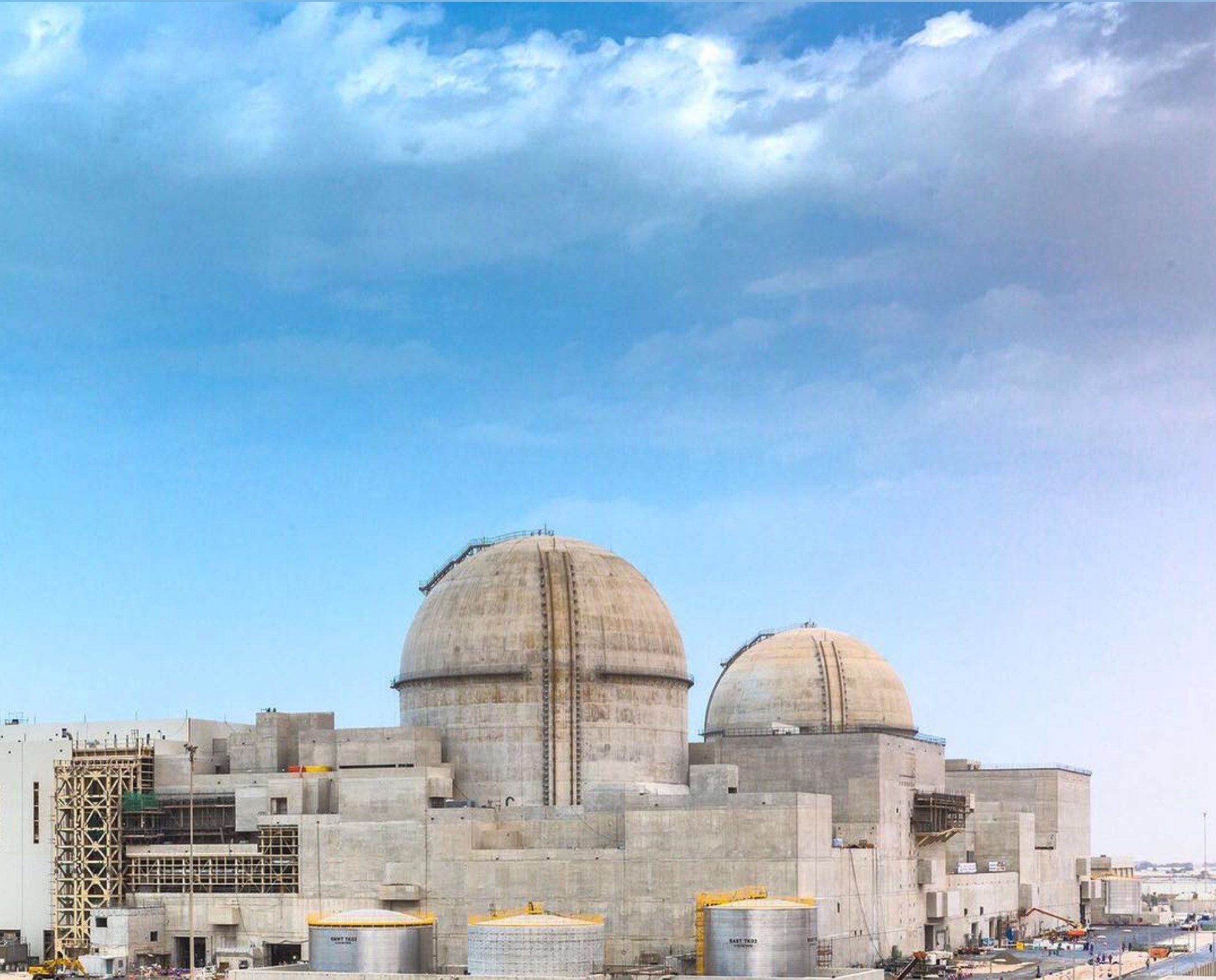
A drone strike ignited a fire in an electrical generator outside the inner perimeter of the Barakah Nuclear Power Plant on Sunday [1].
The attack marks a significant escalation in security threats to critical infrastructure in the region. Because the target is a nuclear facility, the incident raises immediate concerns regarding international security and the safety of civilian populations.
UAE officials said the strike was a terrorist act and an "unacceptable aggression" [2]. The facility is located in the Al Dhafra region of Abu Dhabi [1]. While no group has claimed responsibility for the attack, UAE authorities and other reports indicated that suspicion fell on Iran [2, 3].
Emergency crews responded to the blaze at the generator. The Abu Dhabi Media Office said no injuries were reported [4] and that the impact on radiation levels remained unaffected [4].
"Targeting peaceful nuclear energy facilities is a violation of international law, given the serious risks to civilians, the environment, and international security," a UAE government spokesperson said [2].
The UAE Ministry of Interior is currently leading an investigation into the event. An official from the ministry said, "We are launching investigations to determine the source of the drone attack near the Barakah plant" [5].
Authorities have not yet released a timeline for the full investigation or detailed the extent of the damage to the electrical generator. The plant continues to monitor radiation levels to ensure the safety of the surrounding area [4].
“Targeting peaceful nuclear energy facilities is a violation of international law”
The strike on the Barakah plant represents a breach of a high-security zone and highlights the vulnerability of energy infrastructure to unmanned aerial systems. By targeting a nuclear site, the perpetrator has crossed a significant geopolitical threshold, potentially destabilizing regional ceasefires and inviting a more aggressive security posture from the UAE and its international allies.


