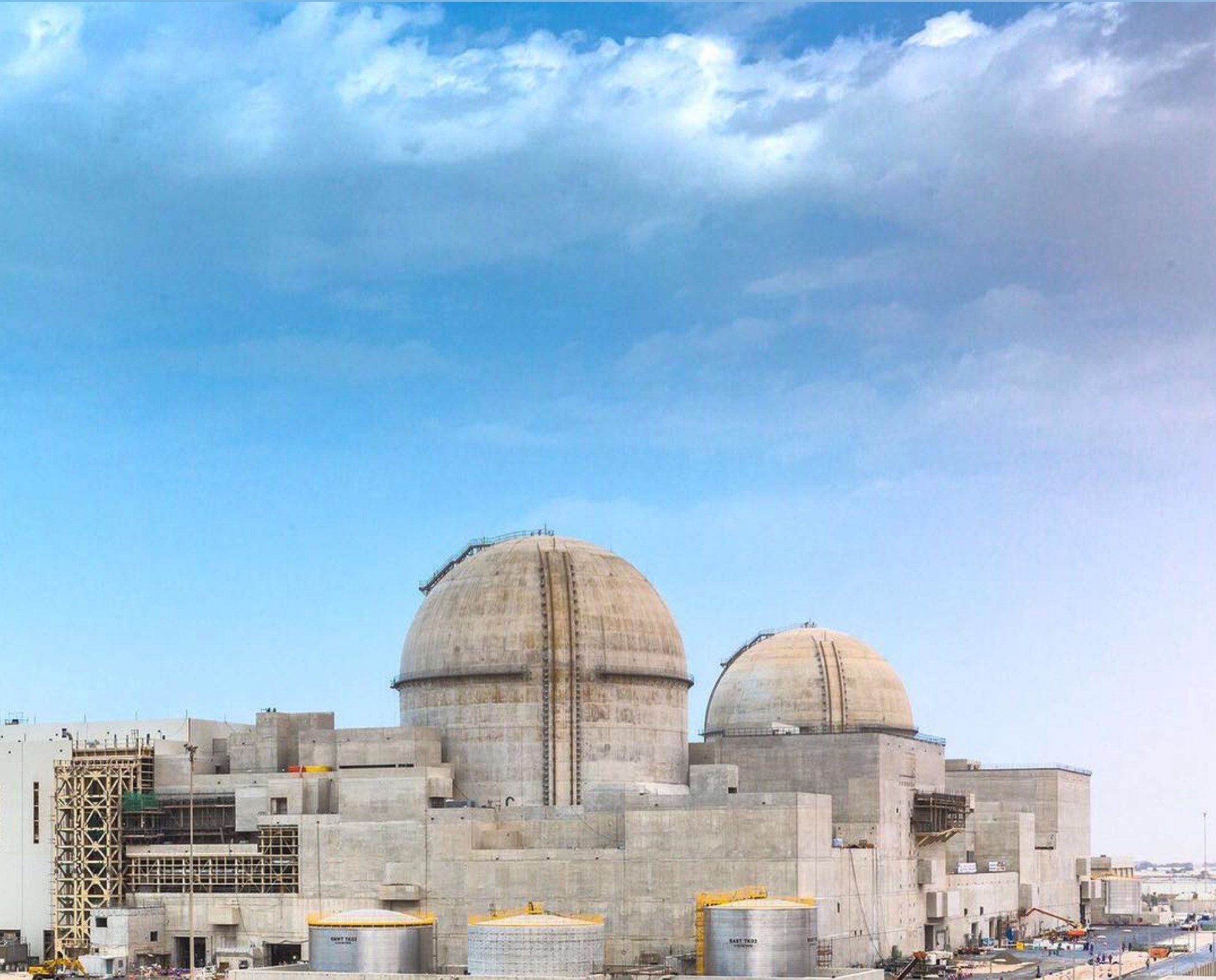
A suspected drone strike sparked a fire at an electrical generator outside the inner perimeter of the Barakah Nuclear Power Plant on Sunday [1, 2, 3].
The incident marks a significant security breach at a critical energy infrastructure site, raising concerns over regional stability and the vulnerability of nuclear facilities to aerial attacks.
Located in the Al Dhahra region of Abu Dhabi, the facility experienced the strike on its external electrical systems [1, 2]. UAE officials said the event was an "unprovoked terrorist attack" [2, 5]. Despite the fire, the Abu Dhabi Media Office said, "We have no indication of any radiation leak" [1].
Emergency protocols were activated during the incident. One reactor was temporarily switched to emergency diesel generators to maintain stability [3]. Officials said zero injuries occurred as a result of the strike [1].
There is conflicting information regarding the attribution of the attack. Some reports suggest the UAE linked the event to rising regional tensions and specifically blamed Iran [5]. However, other reports state the UAE did not blame any specific party for the strike [2].
UAE officials said the incident was a "dangerous escalation" [5]. The strike occurred amid a backdrop of strained relations and ceasefire tensions in the region [1]. The Abu Dhabi Media Office and other government representatives responded to the site to coordinate the recovery and investigation process [1, 2].
“"We have no indication of any radiation leak."”
The attack on the Barakah plant demonstrates the evolving threat of unmanned aerial vehicles (UAVs) against high-value energy targets. While the lack of radiation leaks prevents an immediate environmental disaster, the ability of a drone to penetrate the outer perimeter of a nuclear site suggests a gap in regional air defense that could embolden non-state actors or regional rivals to target critical infrastructure.


