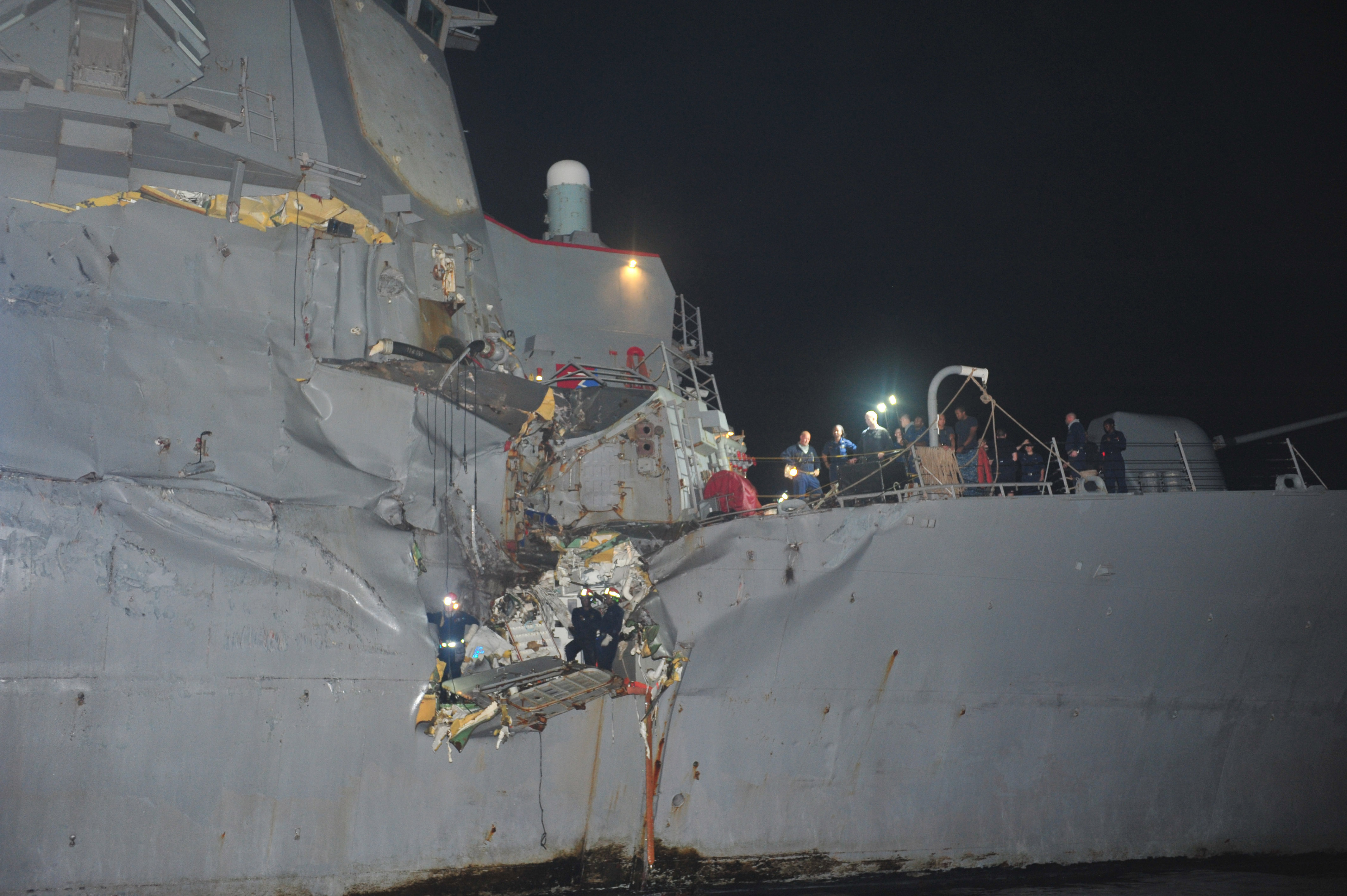
A ceasefire between the United States and Iran remains in effect on Sunday despite sporadic naval skirmishes in the Strait of Hormuz [1].
The fragile peace is critical because the waterway remains effectively closed to normal commercial traffic [4], leaving sailors stranded and halting the majority of exports [2]. Any collapse of the truce could trigger a full-scale escalation in a region already destabilized by conflict.
The current truce has lasted approximately one month [1]. While the agreement holds, the situation remains volatile. Naval skirmishes and missile attacks have challenged the stability of the arrangement, though both nations have avoided a return to total war [2].
Diplomatic efforts continue as both sides seek to prevent a wider conflict. The U.S. and Iran have discussed a proposed two-week pause in hostilities to facilitate further talks [3]. The U.S. is currently awaiting a response from Iran regarding these negotiations [1].
Beyond the maritime tension, regional violence continues to mount. Israeli strikes in Lebanon have resulted in the deaths of 24 people [5]. The Islamic Revolutionary Guard Corps has issued warnings to the U.S. against attacking ships, while Iran has threatened strikes on U.S. bases [5, 6].
Despite these threats, the desire to avoid a comprehensive war is currently outweighing the impulse for escalation [6]. The Strait of Hormuz remains the primary flashpoint, a narrow corridor where the risk of miscalculation remains high.
“The Strait of Hormuz remains effectively closed to normal commercial traffic.”
The persistence of the ceasefire amid active skirmishes suggests a strategic stalemate. While neither side is willing to fully commit to a diplomatic resolution, both the U.S. and Iran are currently calculating that the cost of a full-scale war outweighs the benefits of tactical naval aggression. However, the continued closure of the Strait of Hormuz creates a global economic choke point that maintains pressure on both parties to reach a formal agreement.


