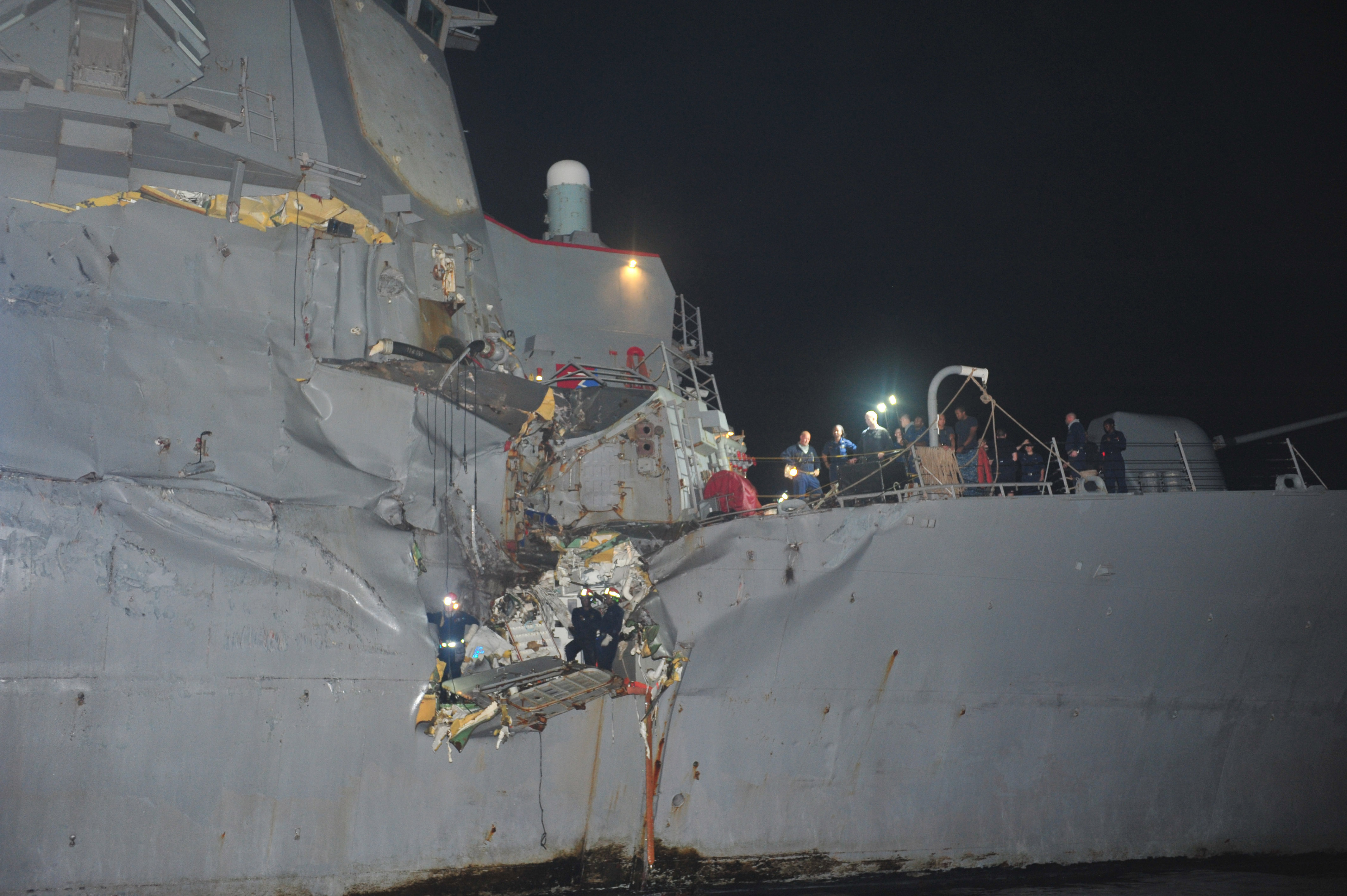
U.S. and Iranian military forces exchanged fire in the Strait of Hormuz on Thursday, May 7, 2026.
The clash puts a fragile, month-old ceasefire [1] under significant strain in one of the world's most critical shipping lanes. Any escalation in this narrow waterway between Oman and Iran could disrupt global energy markets and trigger a wider regional conflict.
Three U.S. Navy destroyers [2] were transiting the strait during the incident. The two sides offered contradictory accounts of how the engagement began. A U.S. Central Command spokesperson said, "We intercepted unprovoked Iranian attacks and responded with self-defense strikes" [3].
Conversely, the Iranian military command accused the United States of violating the ceasefire [4]. The Iranian military said the U.S. initiated the confrontation, contradicting the American account of self-defense.
President Donald Trump (R-FL) addressed the situation on Friday. He said that the truce remains in effect despite the exchange of fire. "The truce is still in effect," Trump said. "If it collapses, there will be one big glow coming out of Iran" [5].
The incident occurs as both nations navigate a volatile security environment. The Strait of Hormuz remains a primary flashpoint for tensions between Washington and Tehran, where naval movements are often viewed as provocations by the opposing side.
“"We intercepted unprovoked Iranian attacks and responded with self-defense strikes."”
The exchange of fire demonstrates the instability of the current ceasefire and the high risk of miscalculation in the Strait of Hormuz. Because both nations maintain a heavy military presence in the waterway, small tactical engagements can quickly escalate into strategic conflicts. The conflicting narratives regarding who fired first suggest a lack of communication channels, increasing the likelihood of future skirmishes.


