JD Vance said peace talks with Iran have created a "good foundation" [1] for a successful "final deal" [1] to end the conflict.
The disagreement over the tentative agreement highlights a deep divide in U.S. strategy regarding Iranian nuclear capabilities and regional stability. While some officials view the talks as a path to peace, critics argue the terms provide too many concessions to Tehran.
Vance discussed the negotiations on Monday [3], and said the talks lay the groundwork to end the war that began at the end of February [2]. He suggested that the current progress is a necessary step toward a permanent resolution.
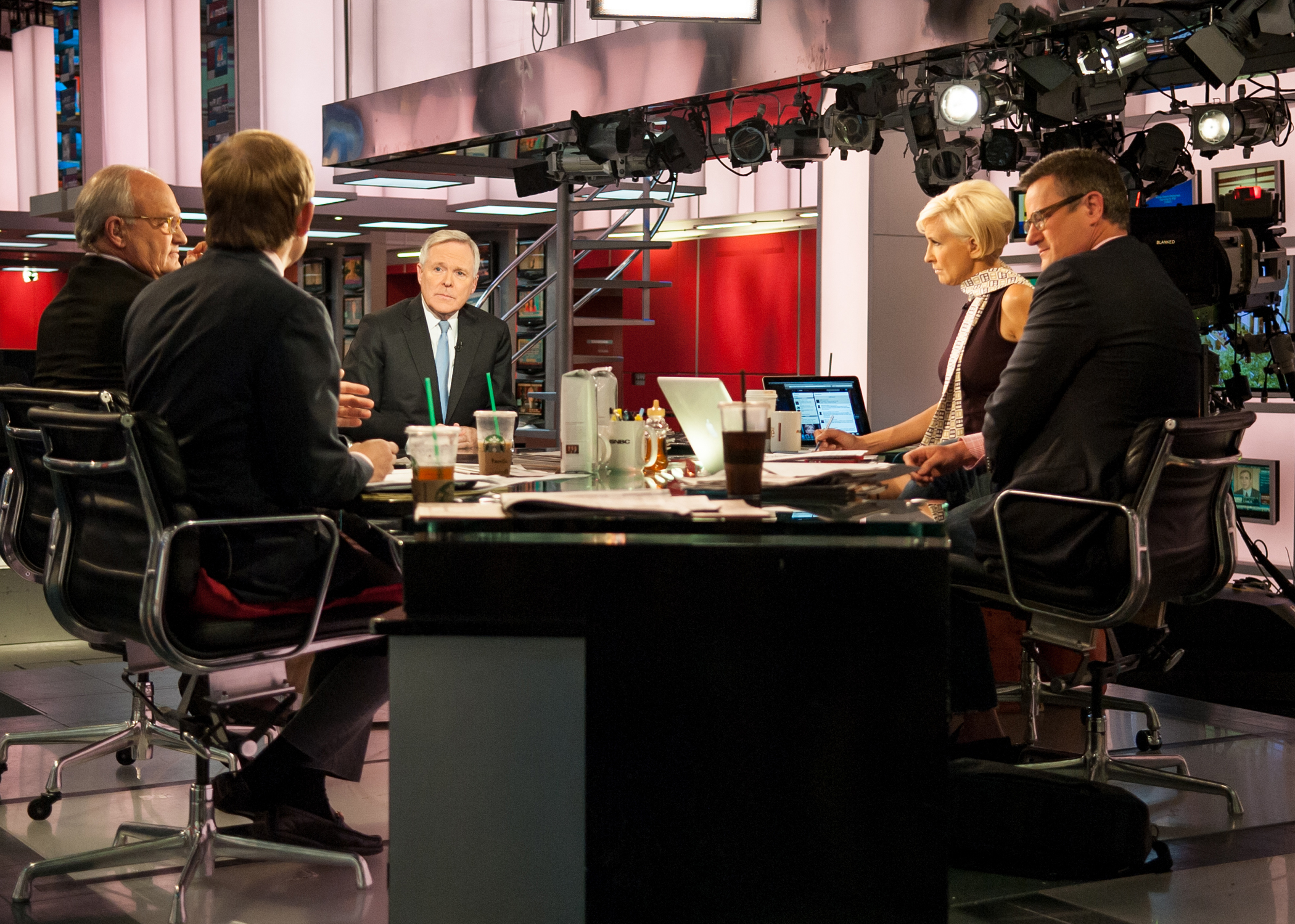
TV host Joe Scarborough rejected this characterization. Scarborough said the agreement is political spin that would allow Iran to continue enriching its nuclear program [1]. He said the arrangement is a $300 billion [2] "slush fund for terrorists" [2].
The tension surrounding the deal extends into the Republican party. While some members of the GOP have joined the criticism, Senator Tom Cotton has tempered his own opposition, suggesting that Republican views on the matter are not uniform [1].
Critics of the deal argue that any agreement allowing continued enrichment fails to address the primary security threat posed by Iran. They suggest that the financial elements of the deal effectively reward the Iranian government, rather than incentivizing disarmament.
Vance maintained that the framework is essential for stopping the violence. He said the current trajectory is the most viable route to a final settlement that ensures long-term peace in the region.
“"good foundation" for a successful "final deal"”
The clash between Vance and Scarborough reflects a broader geopolitical struggle between diplomacy and maximum pressure. If the U.S. accepts a deal that allows continued enrichment in exchange for a ceasefire, it may prioritize the immediate end of hostilities over the long-term goal of total nuclear denuclearization.