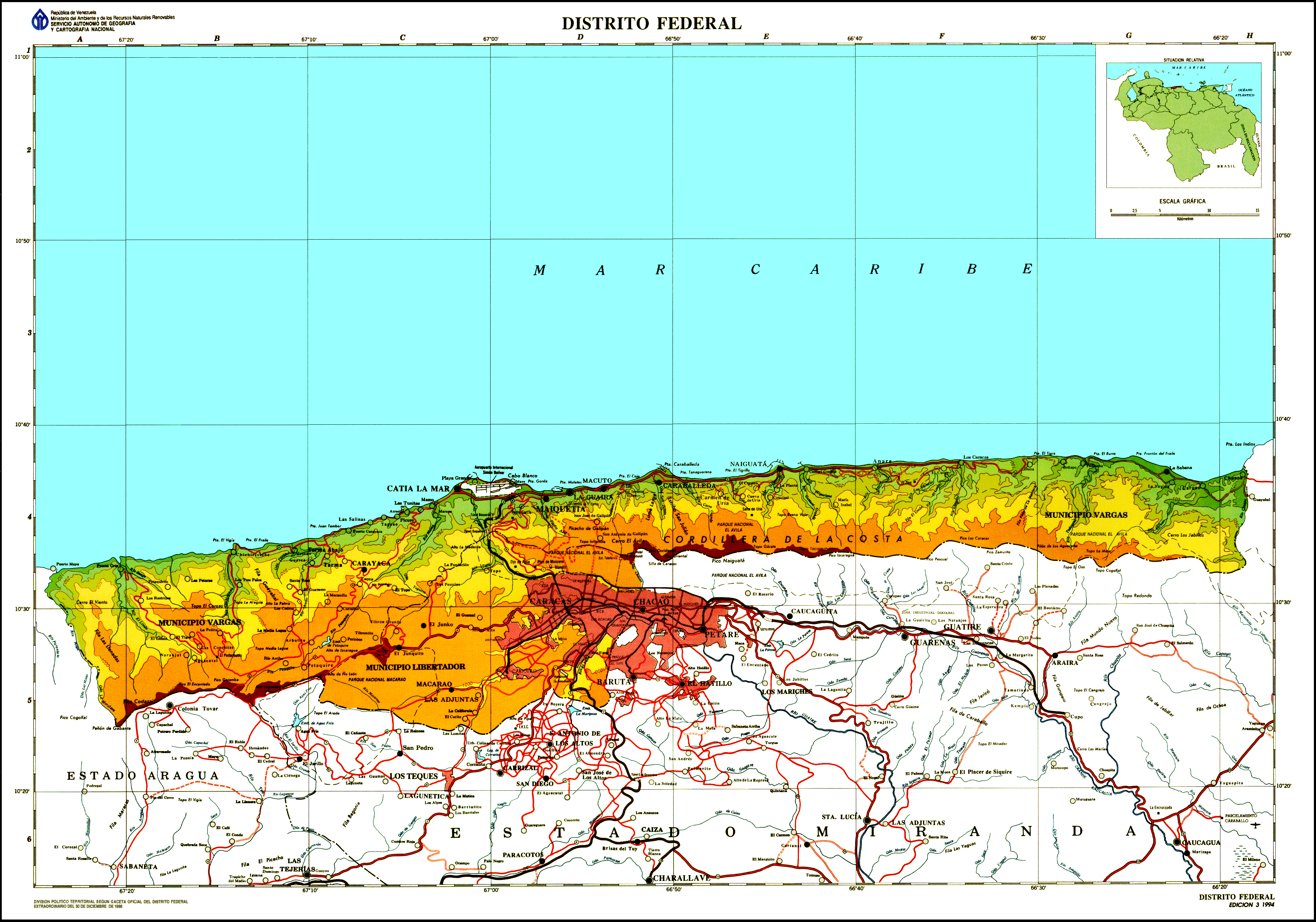
Rescue teams from Venezuela and international partners are searching for survivors trapped under rubble in the northern state of La Guaira [1, 2].
These operations have entered a critical phase because the window for finding survivors alive is closing rapidly. With thousands of people still missing [2], the scale of the destruction in La Guaira and the capital, Caracas, has overwhelmed local emergency capacities [1, 2].
The death toll has reached 1,450 [1]. Two powerful earthquakes struck the region, causing massive building collapses that have buried residents and commuters beneath layers of concrete and steel [1, 2].
Search and rescue efforts are now occurring four days after the initial seismic events [2]. This timeline is particularly concerning for emergency responders, as the 72-hour "golden rescue window" — the period during which the probability of finding survivors is highest — has already passed [1].
International partners have joined Venezuelan teams to assist in the recovery. These crews are utilizing specialized equipment to locate survivors, though the complexity of the collapsed structures continues to hinder progress [1, 2].
The focus remains on the most heavily damaged sectors of La Guaira. Teams are working to clear debris, and stabilize structures to prevent further casualties among the rescue workers themselves [1, 2].
“The death toll has reached 1,450.”
The expiration of the 72-hour window significantly lowers the statistical likelihood of successful rescues, shifting the primary objective of the operation from life-saving recovery to body retrieval. The involvement of international partners suggests that the magnitude of the structural failure in La Guaira exceeded the technical and logistical capabilities of the Venezuelan state.