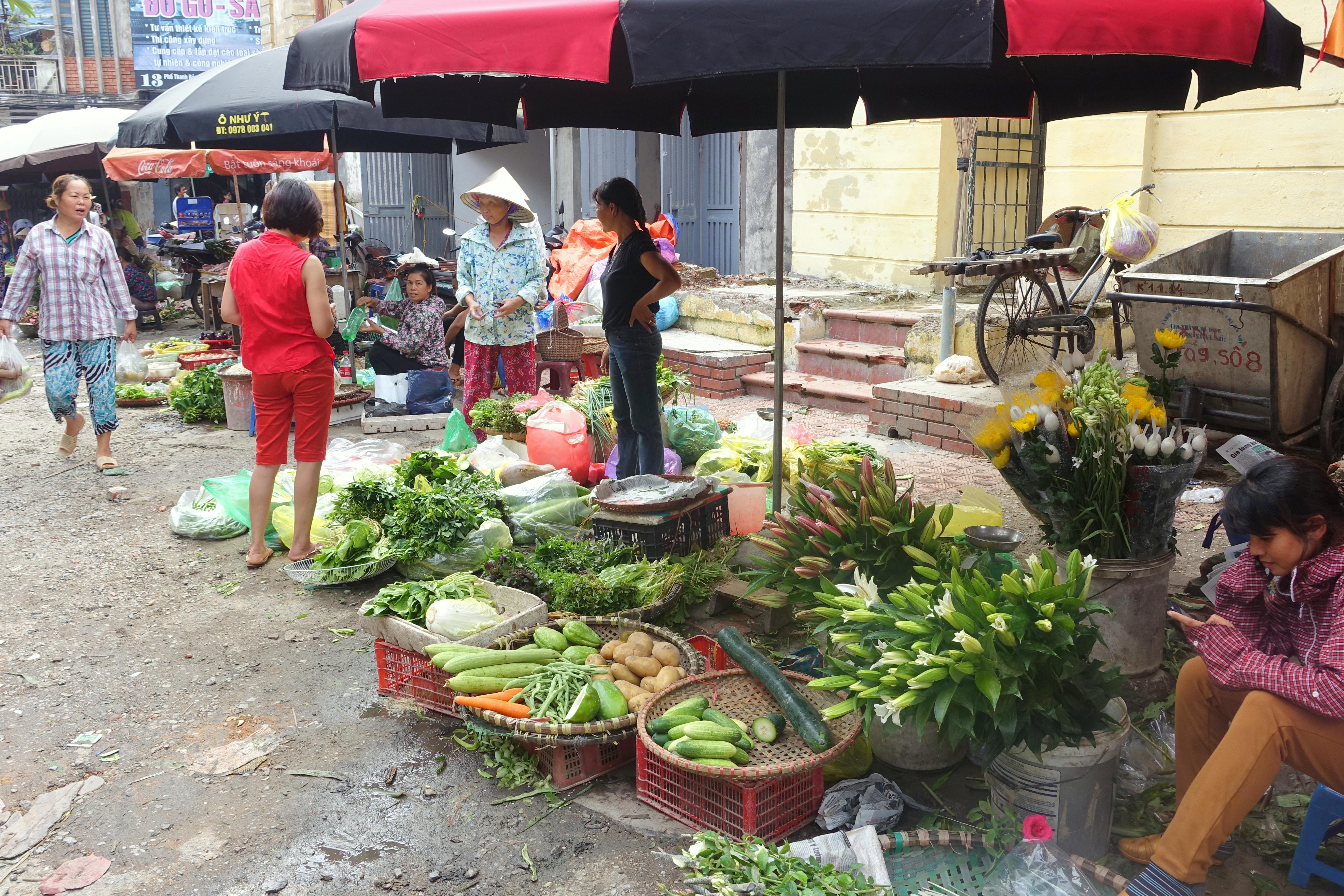
Vietnam reported an acceleration in consumer price inflation and a widening trade deficit for May [1].
These economic shifts indicate a growing vulnerability to external shocks. As a trade-dependent nation, Vietnam is seeing the direct impact of geopolitical instability on its domestic pricing and balance of payments.
The government statistical agency said the economy is feeling the effects of the Iran war and the broader West Asia crisis [1]. This regional instability has contributed to the rise in costs for goods and services within the country.
While May figures were the primary focus of the latest report, previous data shows a steady climb in pricing. In April 2026, consumer price inflation reached 5.46% [2]. This followed a rate of 4.65% in March 2026 [2].
The widening trade deficit further complicates the economic outlook. The combination of rising import costs and shifting trade dynamics has put pressure on the national balance, reflecting the volatility of global markets during the current conflict.
Officials have not yet detailed specific policy interventions to counter these trends, but the data suggests that the cost of living continues to rise for Vietnamese consumers as the West Asia crisis lingers [1].
“Vietnam reported an acceleration in consumer price inflation and a widening trade deficit for May.”
The acceleration of inflation and the expansion of the trade deficit suggest that Vietnam's economy is highly susceptible to energy and supply chain disruptions originating in West Asia. Because the country relies heavily on global trade for growth, prolonged conflict in that region may force the government to implement tighter monetary policies to stabilize prices, potentially slowing overall economic expansion.