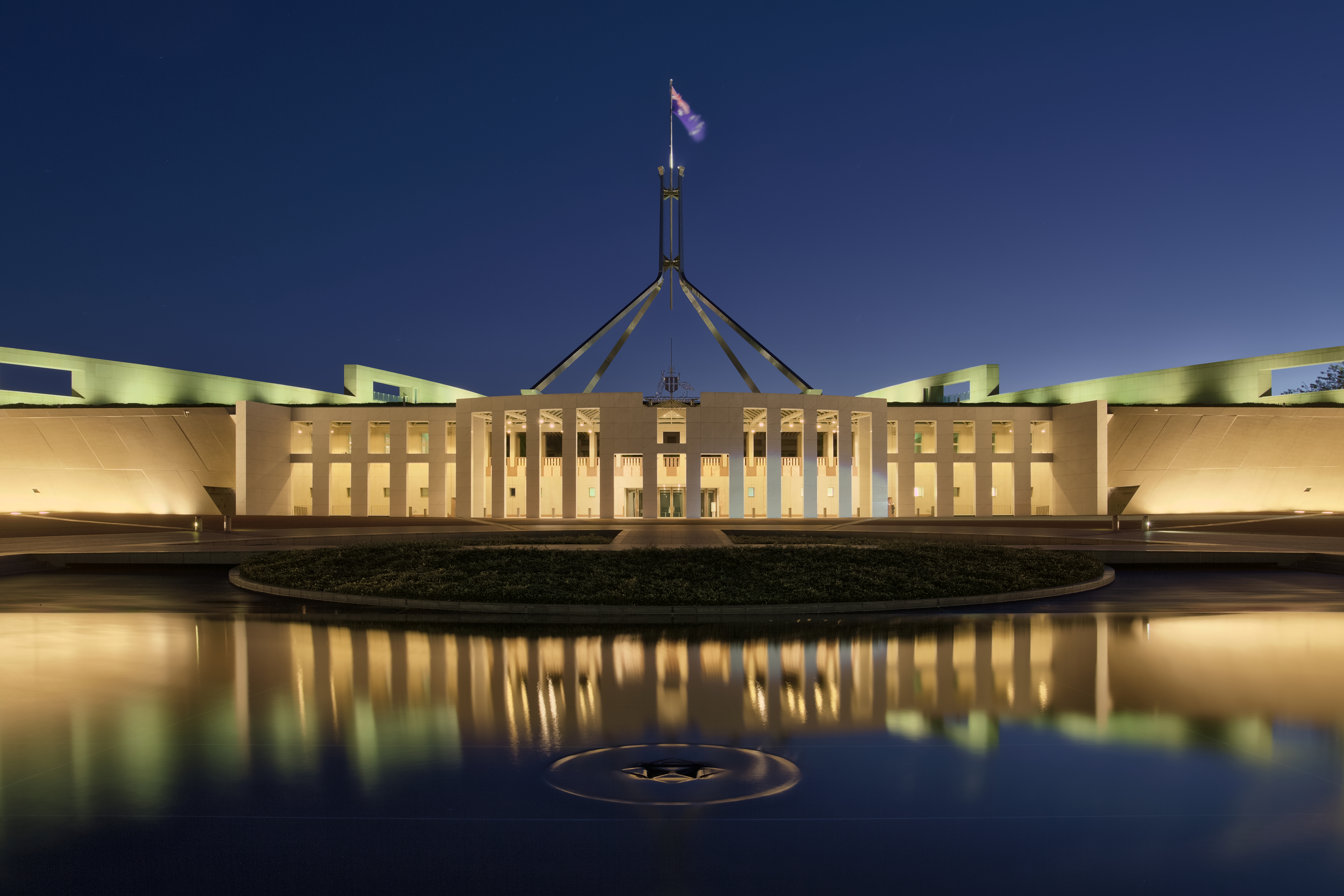
The Australian Labor government and the Greens have reached a deal to pass reforms to negative gearing and capital gains tax through the Senate.
This agreement marks a significant shift in housing and tax policy, as it removes long-standing incentives for property investors while granting the Greens concessions on disability services and retirement funds.
Prime Minister Anthony Albanese (Labor) secured the support of the Greens, led by Larissa Waters, to advance the government's tax-reform agenda. In exchange for their support, the Greens demanded a ban on self-managed super funds from borrowing to purchase residential property.
The deal also addresses the ongoing overhaul of the National Disability Insurance Scheme. The government agreed to extend the inquiry into the NDIS overhaul by eight weeks [1]. This extension moves the reporting date for the inquiry to Aug. 14, 2026 [2].
Labor sought the deal to ensure the legislative passage of its broader economic strategy. The Greens focused their negotiations on protecting housing affordability by closing what they described as a superannuation loophole, and securing further scrutiny of the NDIS changes.
The reforms will now move toward a final vote in the federal Parliament. The ban on residential property borrowing for self-managed super funds is expected to limit the ability of wealthy investors to use retirement savings for real estate speculation.
“The agreement secures passage of negative gearing and capital gains tax changes.”
This compromise represents a tactical victory for both parties. Labor overcomes a legislative hurdle to implement systemic tax changes that could cool the residential property market. Meanwhile, the Greens leverage their balance-of-power position in the Senate to impose stricter limits on property speculation via superannuation and ensure that the NDIS overhaul is not rushed through without additional oversight.