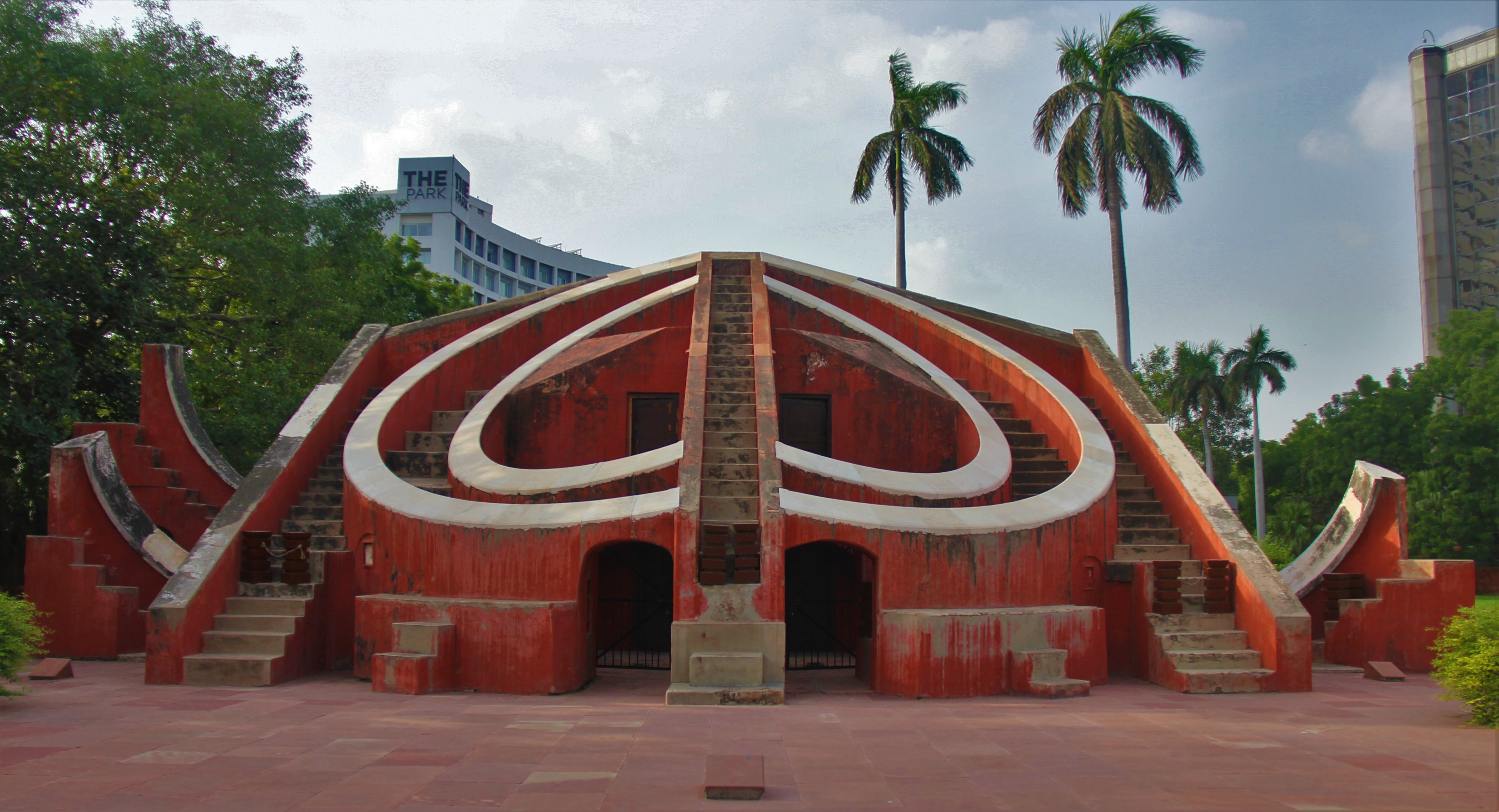
Delhi Police and paramilitary forces deployed heavy security at Jantar Mantar as the Cockroach Janata Party escalated its protests [1].
The demonstrations signal growing public frustration over alleged irregularities in national examinations, specifically the NEET, and a demand for comprehensive educational reform.
Led by founder Abhijeet Dipke, the CJP began its second protest on June 20, 2024 [1]. The movement has gained visibility through the support of activist Sonam Wangchuk, who joined the effort and began a hunger strike at the site [4].
Security forces tightened surveillance and established barricades to manage the crowds. Thousands of protesters gathered for the CJP's "Chalo Sansad" march, attempting to move toward the parliament [3]. To prevent the march from advancing, authorities restricted movement in the area.
"No one will be allowed beyond the Kerala Bhawan," a Delhi Police spokesperson said [5].
The protest continued for several days, entering its 11th day on June 30, 2024 [2]. During this period, reports indicated that the health of Sonam Wangchuk deteriorated as the hunger strike persisted [2].
The CJP is calling for the resignation of the Prime Minister, citing the failure to address exam irregularities, and the need for a systemic overhaul of the education system [4]. The deployment of paramilitary forces suggests a high level of concern from the state regarding the potential for unrest as the number of participants grew into the thousands [3].
“"No one will be allowed beyond the Kerala Bhawan."”
The escalation of the CJP protests reflects a deepening crisis of trust in India's national testing infrastructure. By linking exam irregularities to a demand for the Prime Minister's resignation, the movement transforms a policy grievance into a broader political challenge, while the involvement of high-profile activists like Sonam Wangchuk amplifies the pressure on the central government to implement systemic educational reforms.