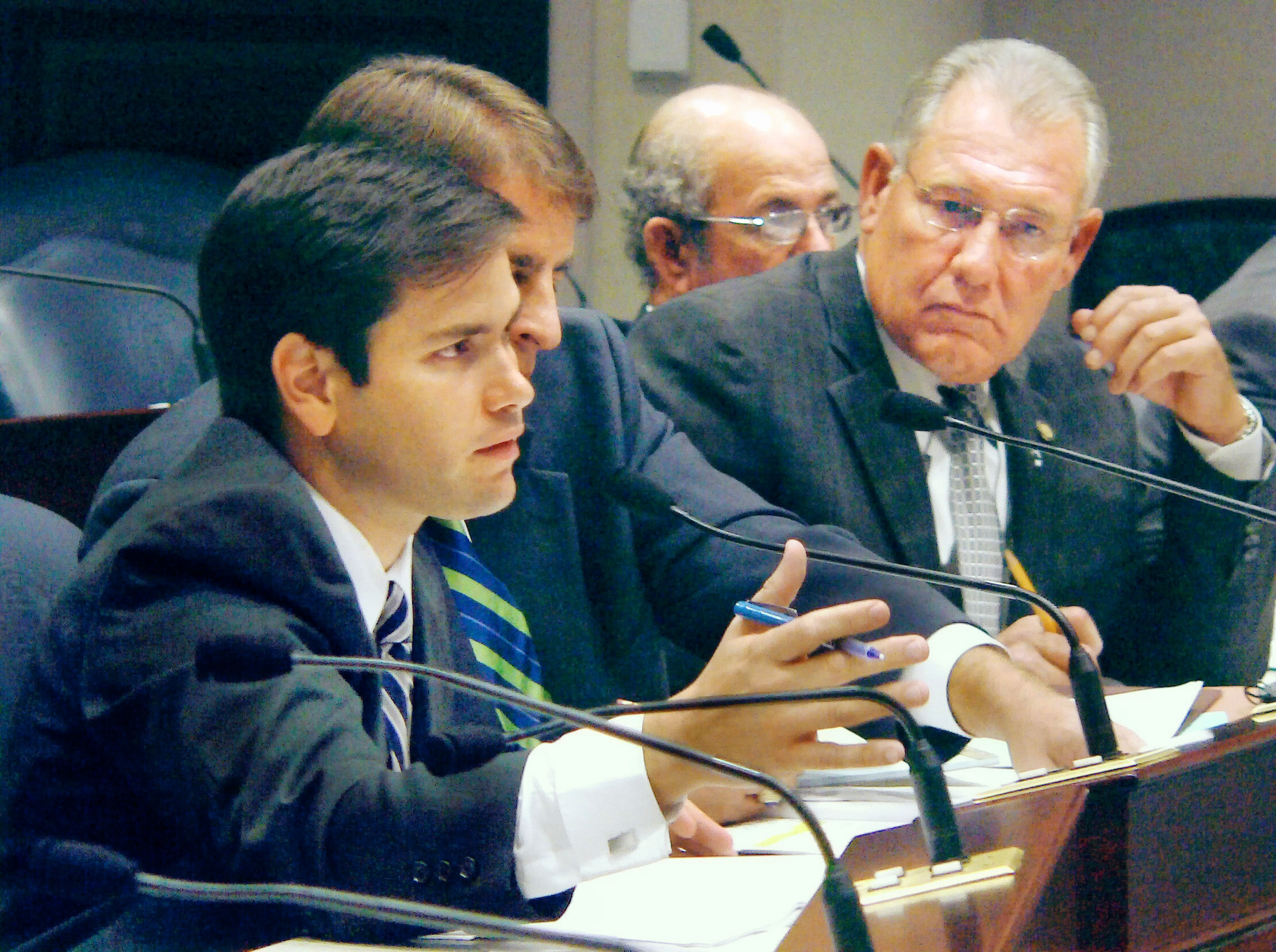
Rep. Robert Garcia (D-CA) and other Democrats on the House Oversight Committee are calling for FBI Director Kash Patel and Acting Attorney General Todd Blanche to testify [1].
The request seeks to uncover why certain documents remain classified and whether government officials engaged in a cover-up regarding the Jeffrey Epstein files [1]. This effort reflects a broader push for transparency concerning the network of individuals associated with the late financier.
Garcia, who serves as the Ranking Member of the House Oversight Committee, is leading the demand for the remaining Epstein files to be released to the public [1]. The committee members said that the full disclosure of these records is necessary to ensure accountability for all parties involved in the case [1].
According to the request, the testimony of Patel and Blanche is required to clarify the current status of the investigation and the reasons for any continued redactions [1]. The committee is focusing on allegations that the White House or other high-level officials may have obstructed the release of information to protect specific individuals [1].
The push for these records comes amid ongoing public scrutiny over the handling of the Epstein investigation and the identities of his associates [1]. By bringing the head of the FBI and the Acting Attorney General before the committee, Democrats said they aim to establish a formal record of what the Department of Justice knows about the remaining files [1].
The proceedings are centered at the U.S. Capitol in Washington, D.C., where the House Oversight Committee maintains its jurisdiction over government operations [1].
“Democrats on the House Oversight Committee are calling for Patel and Blanche to testify”
This move by House Democrats signals an escalation in the political effort to force the executive branch to disclose sensitive intelligence and investigative files. By targeting the FBI Director and Acting Attorney General, the committee is attempting to pierce the veil of national security or privacy exemptions that typically shield these documents, framing the lack of transparency as a potential administrative cover-up.