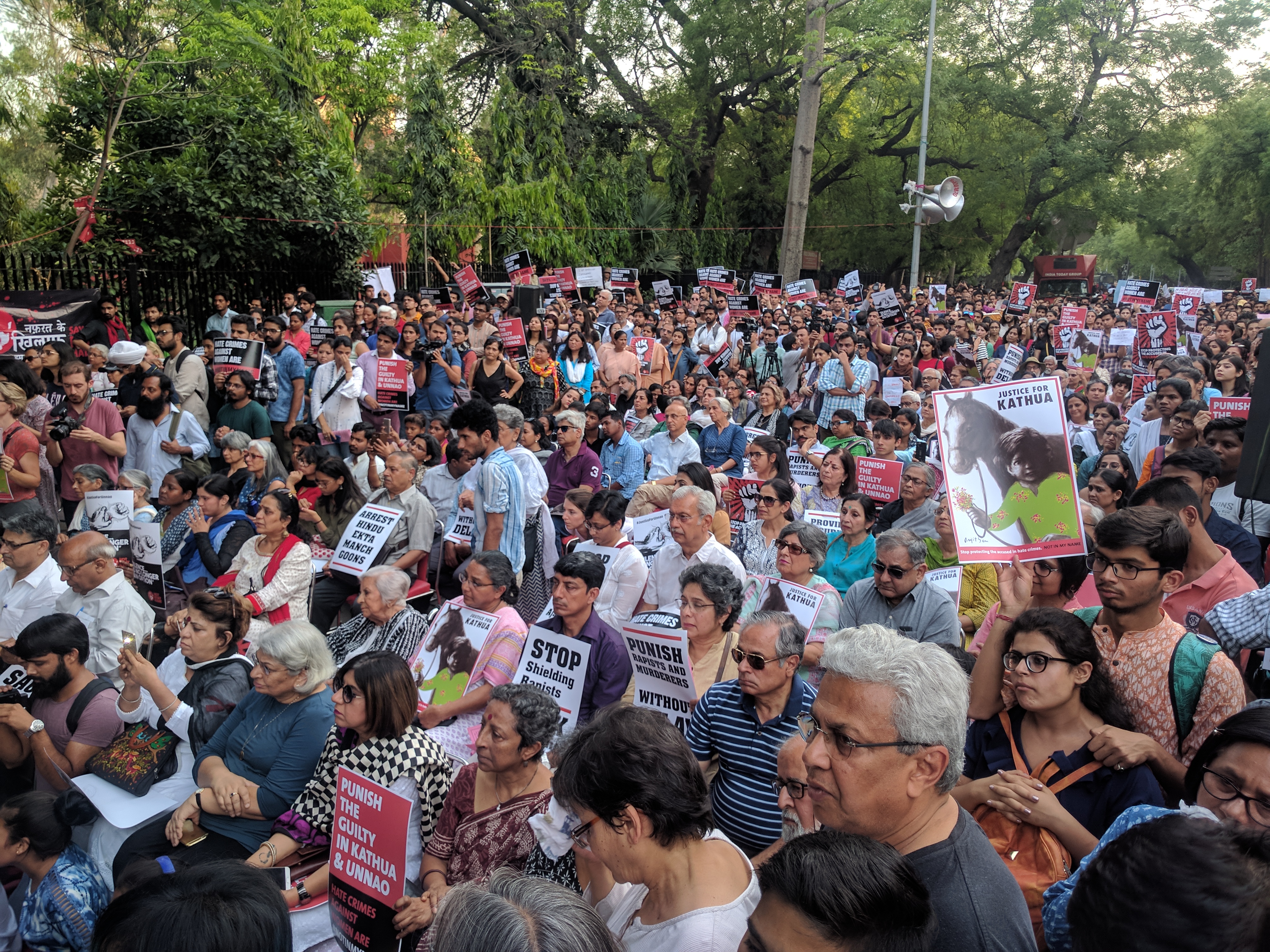
Thousands of young protesters affiliated with the youth-led “Cockroach” movement clashed with police in New Delhi this week [1].
The demonstrations signal a growing rift between India's youth and the administration of Prime Minister Narendra Modi. Protesters are demanding sweeping educational reforms and greater government accountability, citing a lack of responsiveness from the current leadership.
Demonstrators attempted to march toward Parliament in New Delhi, where security forces intervened to block their progress. Police used tear gas, sound cannons, and batons to disperse the crowds [1]. The clashes occurred during a period of intense activity for the movement, which has existed for just over two months [2].
The unrest is not limited to the capital. Related demonstrations have been reported in Mumbai and Goa, as well as internationally in London and New York [1]. These global echoes suggest the movement is gaining traction among the Indian diaspora and youth worldwide.
Protesters view the current government policies as oppressive. They have called for a fundamental shift in how the state manages education, and interacts with its youngest citizens. The movement's name and tactics reflect a desire to persist despite efforts by authorities to clear the streets.
Security forces continue to monitor the situation in New Delhi as the movement seeks to expand its reach. The government has not yet announced specific policy changes in response to the demands for reform.
“Thousands of young protesters affiliated with the youth-led “Cockroach” movement clashed with police in New Delhi this week.”
The emergence of the Cockroach movement highlights a volatile intersection of youth unemployment and educational dissatisfaction in India. By expanding from New Delhi to global hubs like London and New York, the movement is attempting to internationalize domestic grievances, putting pressure on the Modi administration to address systemic issues through a global lens of human rights and governance.