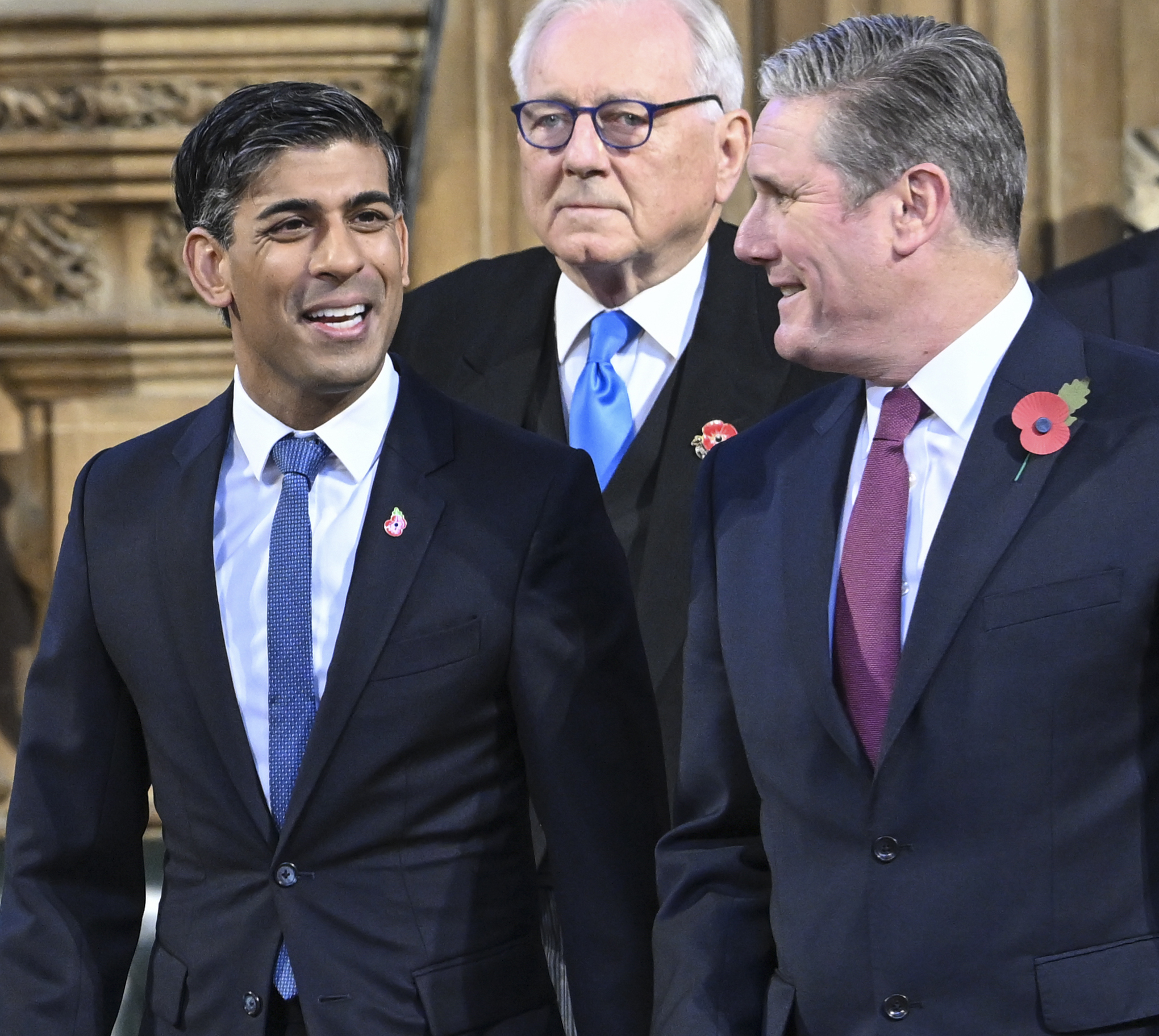
British Prime Minister Sir Keir Starmer announced his resignation as head of government and leader of the Labour Party on Monday [1].
The departure of the 63-year-old leader [2] marks a sudden destabilization of the UK government less than two years after his landslide election victory [3].
Starmer said the announcement from London on June 22 [1, 4]. He cited mounting pressure from within the Labour Party following a series of devastating losses in local elections and an internal revolt [5, 6].
Reports on the specific catalyst for the resignation vary among observers. Some sources said Starmer resigned under pressure from his own party, the general public, and Nigel Farage [5]. Other reports said the resignation occurred a day after Donald Trump pre-announced the move [7].
The resignation follows a period of intense political volatility. Starmer's tenure was characterized by an initial period of strong electoral support that eventually eroded due to party infighting and poor local performance [3, 6].
Labour must now navigate a leadership transition to avoid further electoral decline. The party will need to select a new leader capable of stabilizing the government, and addressing the grievances that led to the current internal revolt [5].
“Sir Keir Starmer announced his resignation as head of government and leader of the Labour Party.”
The resignation of Sir Keir Starmer signals a crisis of confidence within the Labour Party's leadership. By stepping down so shortly after a landslide victory, the party faces a precarious transition that could leave the UK government vulnerable to opposition pressure and further internal fragmentation during the leadership contest.