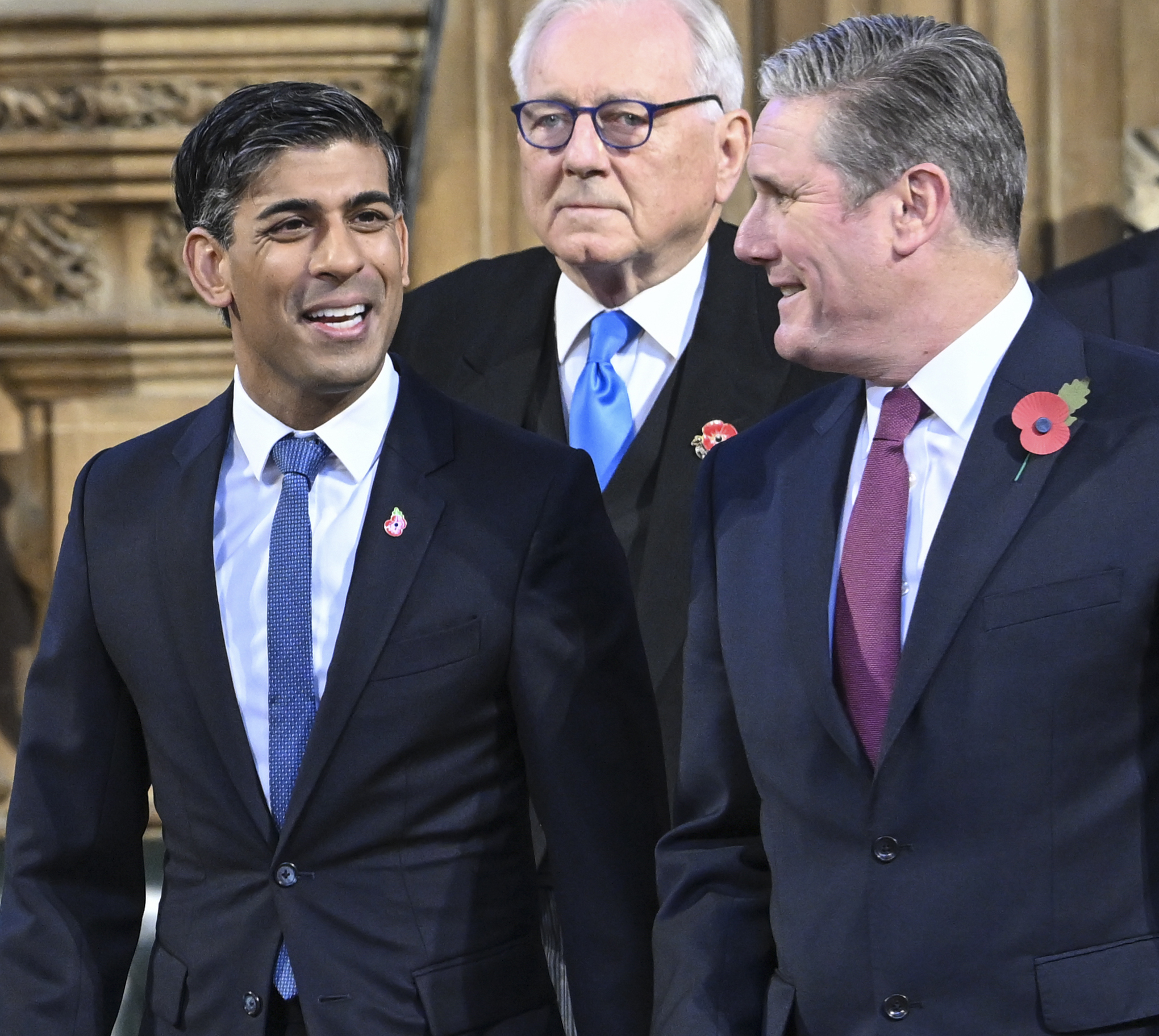
British Prime Minister Sir Keir Starmer (Labour) announced his resignation as prime minister and leader of the Labour Party on Monday [5].
The departure marks a period of significant instability for the United Kingdom's executive branch. Starmer is the seventh leader the country has had in 10 years [4].
Speaking outside 10 Downing Street in London, Starmer said he had decided to resign early Monday morning [5]. The announcement follows a period of mounting political pressure and internal party challenges. These tensions were notably amplified by the return of Andy Burnham to Parliament and a rapid decline in public support for the administration.
Starmer has served as the leader of the Labour Party for six years [1] and has held the office of prime minister for two years [2]. Despite his resignation, he will not vacate the office immediately. He will remain as a caretaker until a successor is chosen this summer [3].
The transition comes as the Labour Party navigates internal fractures. The pressure from within the party, combined with shifting public sentiment, created an untenable environment for Starmer's continued leadership. By remaining in a caretaker role, Starmer intends to provide a bridge to the next administration while the party selects a new leader.
“Starmer is the country's seventh leader in a decade”
Starmer's resignation underscores a volatile era of British politics characterized by rapid leadership turnover. The influence of internal party rivals like Andy Burnham suggests a shift in the Labour Party's internal power dynamics, while the caretaker arrangement aims to prevent a total power vacuum during the summer transition.