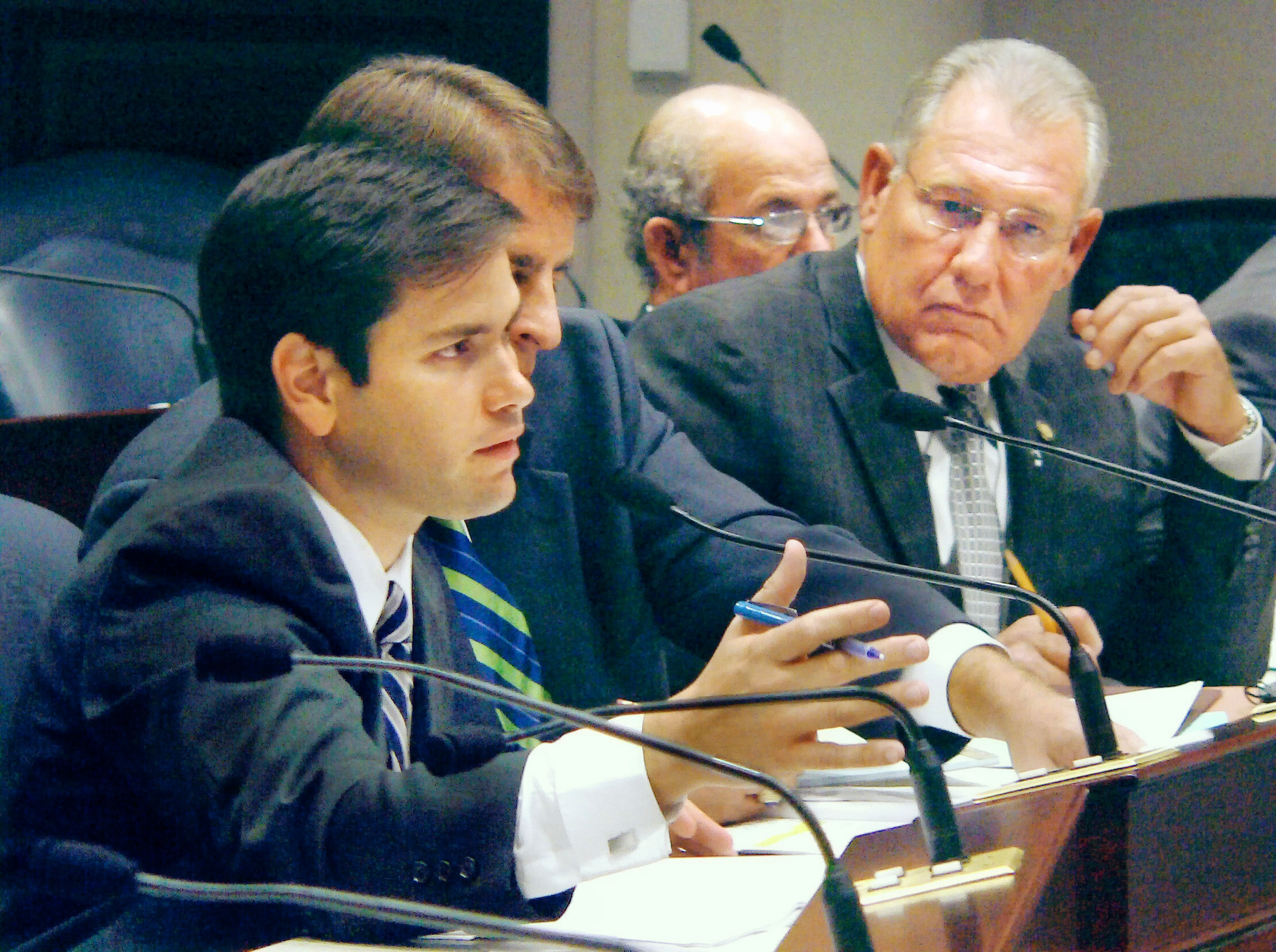
Sen. Marco Rubio (R-FL) defended President Donald Trump this week after Rep. Gregory Meeks (D-NY) made accusations of wrongdoing against the president [1].
The exchange highlights the ongoing friction between the executive branch and Democratic leadership in the House of Representatives. As these accusations surface, the public defense by high-ranking Senate officials underscores the deep partisan divide regarding the president's conduct.
Rubio responded to the remarks made by Meeks, the ranking member, by dismissing the claims as baseless [1]. The senator said that the allegations were unfamiliar to him and lacked factual support.
"The Ranking member made accusations against the president which I've never heard before, but are, number one, completely false," Rubio said [1].
The senator's response focused on the veracity of the claims rather than addressing specific details of the alleged wrongdoing. By labeling the statements as false, Rubio aimed to shield the president from the political fallout of Meeks' comments [1].
This clash occurs amid a broader climate of legislative tension where members of the opposing party frequently use public forums to challenge the president's integrity. Rubio's intervention serves as a primary line of defense for the administration in the Senate.
Rep. Meeks has not issued a follow-up statement regarding Rubio's denial of the claims [1]. The conflict remains centered on the conflicting narratives between the Democratic ranking member and the Republican senator.
“The Ranking member made accusations against the president which I've never heard before, but are, number one, completely false.”
This interaction reflects the standard adversarial relationship between the U.S. executive branch and its congressional critics. By swiftly labeling the accusations as false, Rubio is attempting to neutralize the political impact of the claims before they can gain traction in the public discourse or lead to formal inquiries.